Consumer prices in Hungary rose by 0.1% year on year in October, the Central Statistical Office (KSH) reported on Tuesday. The financial website portfolio.hu says the market expected CPI to tick up to-0.1% from -0.4% in September.
Insider reviews, first hand infos and more.
Consumer prices in Hungary rose by 0.1% year on year in October, the Central Statistical Office (KSH) reported on Tuesday. The financial website portfolio.hu says the market expected CPI to tick up to-0.1% from -0.4% in September.

The volume of industrial production grew by 2.9% month on month in Hungary in September, according to Central Statistics Office data quoted by portfolio.hu. This correction, which was already on the cards, comes after two months of decline.
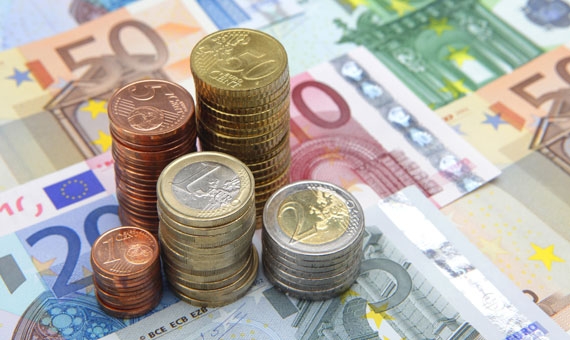
Hungary posted HUF 138.4 billion budget surplus in October, the financial website portfolio.hu quotes a preliminary data report published by the National Economy Ministry. It is attributable to previously suspended EU funding that has now been disbursed.
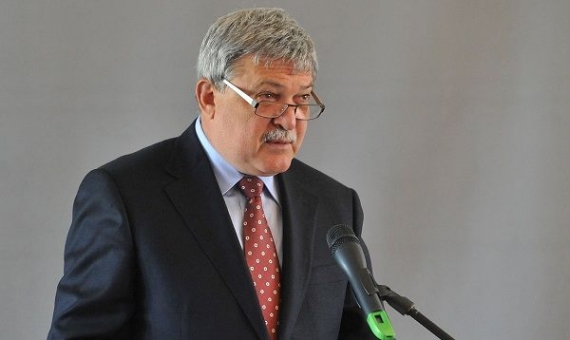
Sándor Csányi, the head of Central Europe’s largest financial institution OTP Bank, is listed by Forbes magazine among the world’s 1,700 wealthiest people, the USD billionaires. Csányi's wealth is worth of HUF 287.9 billion (just over USD 1 bn).

According to the forecast of GKI Economic Research Co., the slowdown of the Hungarian economy that started in the second quarter of 2015 will continue. The 3.6% growth rate in first-quarter was followed by only 2.7% in the second quarter.

The Hungarian European Business Council (HEBC) has published its annual report of recommendations for the Hungarian government. HEBC’s annual country reports contain the members’ non-political, practice-oriented experiences as investors.

In July 2015, the volume of exports and imports was up by 6% and 3.4%, respectively, year-on-year. Thus, foreign trade surplus rose to EUR 646 million in the month of July 2015, while the surplus accumulated in the period January-July 2015 reached EUR 4.9 bn.
The European Investment Bank (EIB) is granting EUR 500 million, the first tranche of an approved loan amount of EUR 1.5 billion, to Hungary to -as the government claims - co-finance priority projects receiving support from EU funds.

The Government of Hungary does not fully comply with the minimum standards for the elimination of trafficking; however, it is making significant efforts to do so, says the U.S. Department of State in its annual Trafficking in Persons Report, published in July.

In September 2015, Hungary’s GKI-Erste economic sentiment index adjusted for seasonal effects reached this year’s peak, and the degree of optimism was only slightly lower than at the end of last year, which corresponded to a 17-year high.

Local shops are still top choice for consumers despite online and out-of-town competition. In smaller towns people do their shopping in small shops rather then big centers.

Singapore is famous for its steady growth rate of GDP and a booming foreign trade. The country, often called "young tiger" has managed to evolve its exports from labor-intensive to high value-added products.

As a demonstration of further expansion into the American market, Hungary opened a trade house in New York in the early days of May. It will serve as a new gateway for Hungarian companies in the United States. Officials consider more offices to set up elsewhere in the country.

Nearly half of all family businesses in the CEE region plan changes in ownership within the next 5 years. But most of them don’t have clear processes in place for this turnover and require restructuring to be competitive in the future.

Hungary's public debt has never been over HUF 25,000 billion - until now. According to the Hungarian Debt Management Center, a recent increase of 1,377 bn brought it over the 25,000 bn level. Government officials cliam the increase is only temporary.