Hungary’s general government consolidated gross debt at nominal value (or called the Maastricht debt) was 80.2% of GDP at the end of the third quarter of 2013, according to financial accounts data relesead by the National Bank of Hungary. (NBH).

Hungary’s general government consolidated gross debt at nominal value (or called the Maastricht debt) was 80.2% of GDP at the end of the third quarter of 2013, according to financial accounts data relesead by the National Bank of Hungary. (NBH).
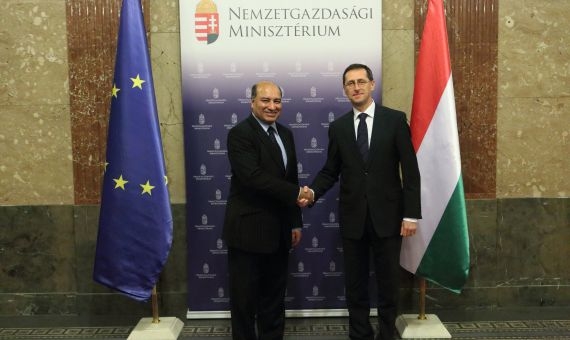
The President of the European Bank for Reconstruction and Development (EBRD), Suma Chakrabarti paid a visit to Budapest where he discussed with Minister for National Economy Mihály Varga several ussies on the agenda between the bank and Hungary.

The National Bank of Hungary (MNB) has announced on Thursday that its Monetary Council discussed the possible means of fostering economic growth and launches the Funding for Growth Scheme (FGS) of the Bank to boost the economy.
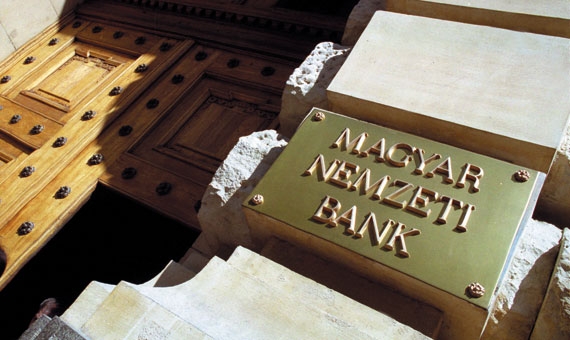
The Monetary Council of Hungary’s central bank (MNB) has decided to lower the base rate by 25 basis points to an all-time low of 5.00% on Tuesday, in line with the market’s call. It was the first rate setting under newly appointed Governor György Matolcsy.

Hungary’s Economics minister György Matolcsy has been nominated by Prime Minister Viktor Orbán as the next Governor of the National Bank of Hungary (NBH). Matolcsy follows András Simor whose six-year mandate expires on March 3.

The state debt in Hungary was of the second highest value ever at the end of January when the debt of the central budget was HUF 21,187.8 billion (currently over EUR 72 billion), which means a huge increase of HUF 467.7 billion over a year.
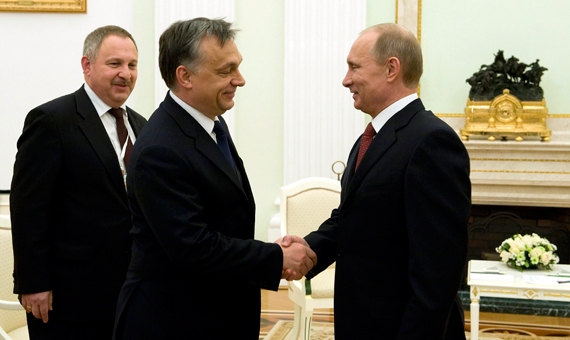
Russian officials have denied the validity of a report by the online version of the Hungarian business weekly HVG that it would buy a huge Hungarian FX bond package at a favorable interest rate to help finance Hungary’s state debt without the IMF.

Roubini Global Economics insists that it was not its research note that sparked a sell-off of the Hungarian currency but comments by Hungarian economics minister György Matolcsy that the policy of a strong forint between 2002 and 2010 had been a mistake.
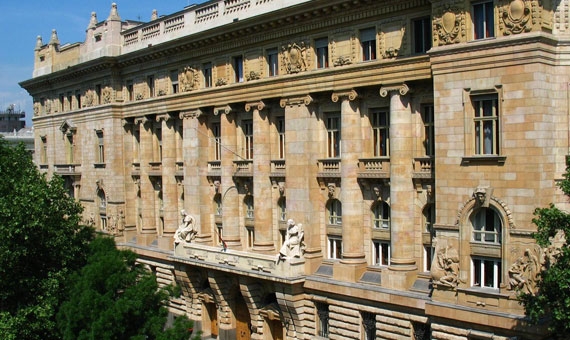
In agreement with the analyst consensus, the government appointed rate-setters of National Bank of Hungary continued the easing cycle with another 25 basis point rate cut this week, lowering the benchmark interest rate to 6.25%.
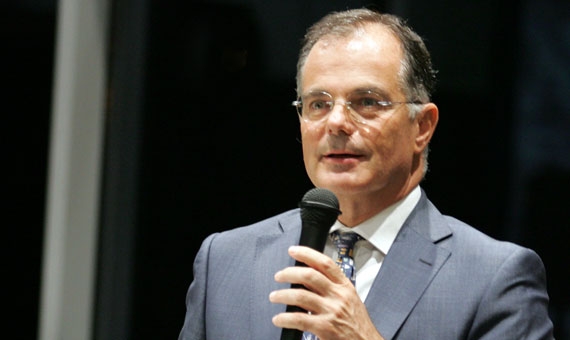
The sovereign debt crisis in Europe is having a negative impact on even non-eurozone countries like Hungary, but that does not diminish the need for Budapest to introduce the euro, Hungarian National Bank Governor András Simor said in Tokyo on Sunday.

Without austerity measures, Hungary will overshoot budget deficit goal in 2013 and the annual inflation rate is likely to climb to 5% from 3.4%. That is the projection by the National Bank of Hungary in its quarterly Report on Inflation.
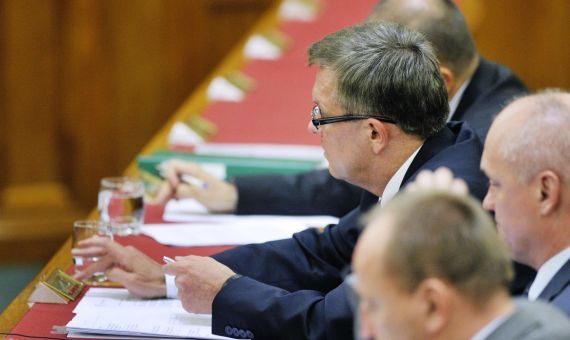
Hungary's Parliament passed the controversial Financial Transactions Tax Act on Monday. The bill levying a 0.1% tax on transactions - except for those connected to credit - had 249 MPs voting in favor of the proposal vs. 94 against.

Hungary’s central bank (MNB) has raised its key policy rate by 50 basis points to 6.50% on Tuesday, in line with expectations. Although today’s rate call was in line with expectations, it does represent a turnaround in monetary policy.
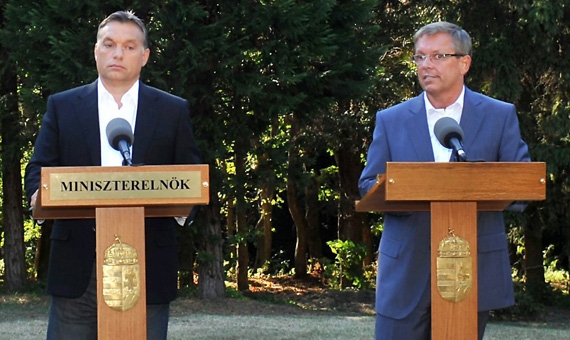
Moody's Investors Service has downgraded Hungary's government bond rating by one notch to Ba1 from Baa3, and is maintaining a negative outlook. The Hungarian government considers the move as “a series of financial attacks.”
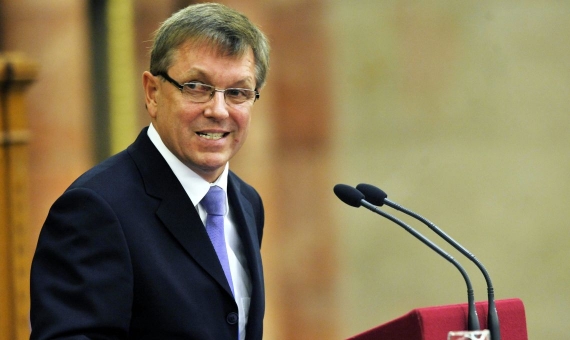
Hungary expects to sign a new agreement with the International Monetary Fund (IMF) and the EU early next year, the country's Economy Ministry said on Friday. Hungary, in a reversal of policy, wants to see the IMF act as an "insurance".