55 true to life and life-size dinosaur models, based on recent research by scientists impress the visitors in Zánka at Lake Balaton for two months. The giant prehistoric creatures enjoy incredible popularity with adults and children alike.

55 true to life and life-size dinosaur models, based on recent research by scientists impress the visitors in Zánka at Lake Balaton for two months. The giant prehistoric creatures enjoy incredible popularity with adults and children alike.

Widely available at modest prices today, tulips are still closely associated with the Netherlands. However, the tulip is not a native Dutch flower. Here's a story on tulips, an ambassador with a green thumb and the practice of tulip speculation.

To facilitate and maintain an interdisciplinary, global network of applicants who are interested in nationalism, ethnicity and related areas is the ultimate goal of a program that the Faculty of Humanities of ELTE has recenly established.
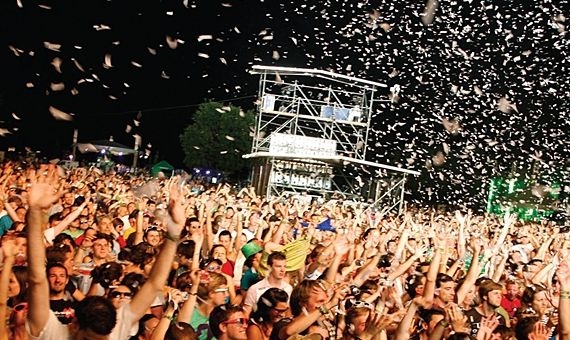
The Heineken Balaton Sound Festival at a fancy beach on the southern shore of Lake Balaton set a new record this year, as it registered more than 100,000 guests, according to main organiser Norbert Löbenwein.

Though many Turkish architectural remains were demolished, nevertheless, the cultural heritage is still rich and full of amazing stories. Diplomacy and Trade found an excellent guide in Mihály Ráday to explore this topic.

The Turks, who were stationed in Hungary for 150 years, could not have found a better place for developing their sophisticated bathing culture. Hungary had the treasure they needed: thermal water. Not just any water, nor in just any amount.
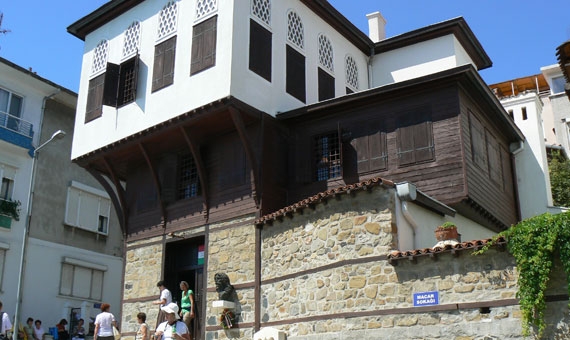
Although, Hungarian remember the Ottoman Turks as savage people who occupied south and central Hungary for some 150 years, historian Tamás Katona's piece for Diplomacy & Trade brings up two positive examples.

A Polish-Hungarian outdoor sculpture exhibition opened at The Hague, in and around Binnenhof that provides home for the Dutch parliament. Our picture shows Polish artist Robert Sobocinski with one of his works of art.
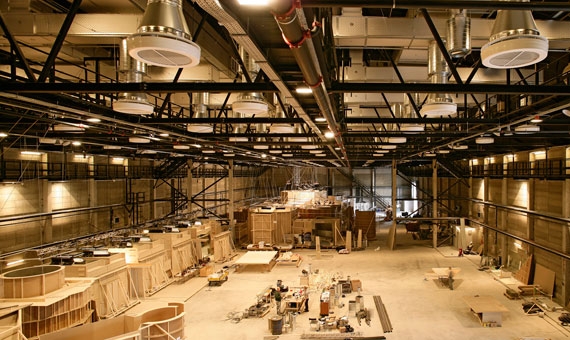
Hungary continues to thrive as a shooting destination. According to Tamás Csapó, Chief Executive of Korda Studios, this country suits international filmmakers’ purposes for two reasons – one is aesthetic and the other is financial.

This year, we celebrate the 150th anniversary of the birth of József Rippl-Rónai, one of the greatest Hungarian painters. Throughout the year, his works can be seen on drapes, on lamp-standards, on souvenirs and even on chocolate wrapping.

Within the frames of Francophone Film Week organized by the French Institute, Diplomacy and Trade visited the press screeding of a marvellous film by Jean Berger titled, 'My Afternoons With Margueritte and talked to the director.

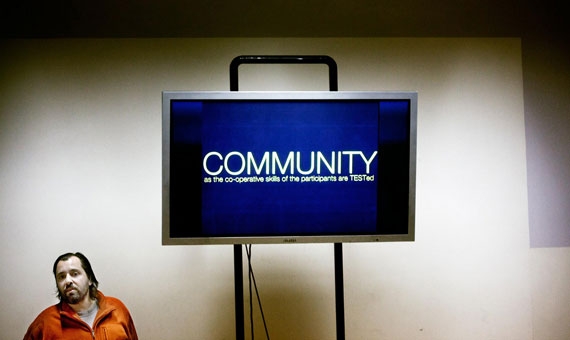
Krétakör (Chalk Circle Theater) is said to be one of the most progressive and internationally acknowledged Hungarian independent theaters. Its founder is a highly original figure on several accounts.
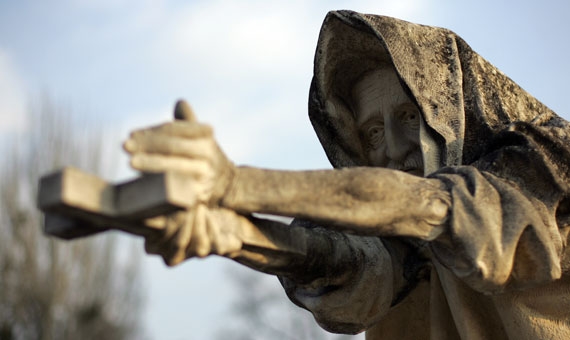
Kerepesi temetõ or the Graveyard at Fiume Street, known as ‘Hungary’s Pere
Lachaise', preserves Hungary's cultural history in a way that reminds the visitor how rich this cultural history is.
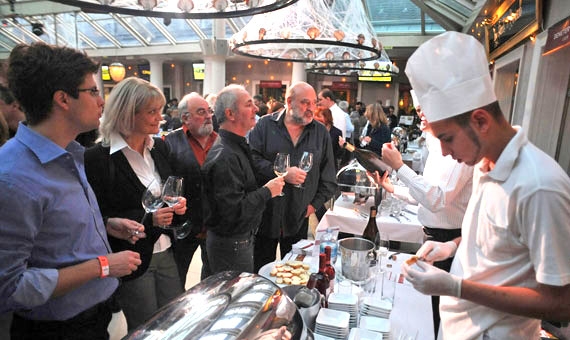
Tasting the whole menu with corresponding wines – that is what the Symbol restaurant in Budapest offers to its guests. The 44-course menu is based on a book describing what wine producers cook for themselves.