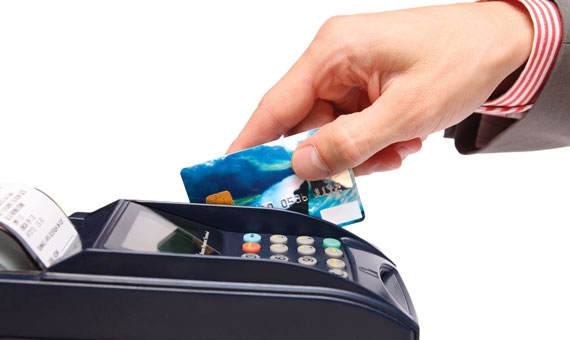
The official Hungarian Gazette has published a government resolution according to which the cabinet spends an extra HUF 2.4 billion on the deployment of another 30,000 bank card acceptance points as promised earlier.
Insider reviews, first hand infos and more.
The official Hungarian Gazette has published a government resolution according to which the cabinet spends an extra HUF 2.4 billion on the deployment of another 30,000 bank card acceptance points as promised earlier.

GKI’s economic sentiment index reached its historic peak in July. According to the empirical survey conducted by GKI with the support of the EU, the business confidence index fell slightly in August. However, consumer expectations increased a bit.
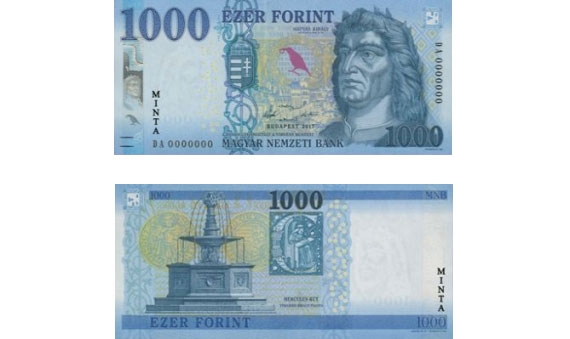
The National Bank of Hungary will continue its program of upgrading Hungarian forint banknotes . As part of the program. The Bank says it will issue into circulation an upgraded 1,000-forint note with new design elements and new security features.

In the month of July 2017 the state budget posted a surplus of HUF 94.4bn, thanks mainly to higher-than-expected tax revenues, according to a statement about fiscal data by the Hungarian Ministry of National Economy.

GKI's economic sentiment index and the business confidence index have never been as high as now so far during its more than twenty years of history. The empirical survey was conducted by GKI with the support of the EU.

According to newly published figures by the Hungarian Central statistical Office, industrial producer prices as a whole were 1.5% higher in June 2017 than in the same period of the previous year. Domestic output prices increased by 3.2% on average.
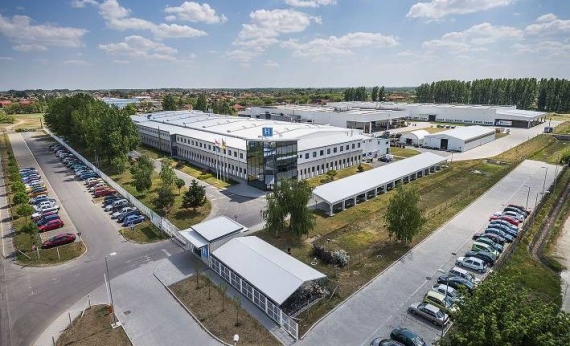
German-owned Hübner Ltd. will expand its vehicle industry production facility in Nyíregyháza, NE Hungary with an investment of HUF 3.4 billion (some EUR 11 million), quarter of which is provided as subsidy by the Hungarian government.

“It is the Government’s decided goal to reinforce the Hungarian Defence Force, which guarantees Hungary’s security”, the Minister of Defence István Simicskó said at an event to mark the major refurbishment of the army’s fleet of Mi-17 transport helicopters.

Hungary is the latest country to enter the Chinese onshore capital markets, raising Rmb 1 billion in a three-year panda bond, the Financial Times reports.Thus, ut is the first country to have issued both offshore and onshore renminbi-denominated debt.

According to a report by the Hungarian Ministry for National Economy, the volume of retail sales grew dynamically, by 6% year-on-year, in the month of May 2017. Thus, the sector has been expanding for 47 months in a row.

The market for business bank cards in Hungary has grown steadily over the last two years, according to statistical figures published by the National Bank of Hungary. It is while the total market has virtually stagnated according to the number of units.
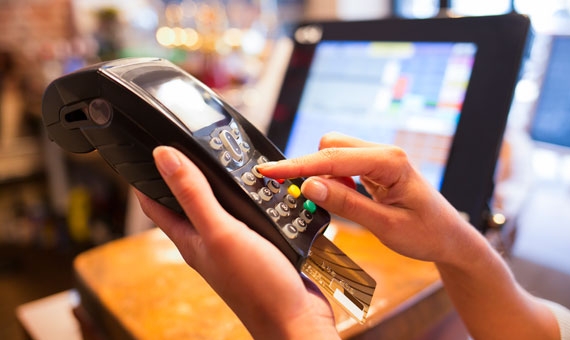
In order to spread modern electronic payment methods, the government has decided to support the deployment of another 30,000 bank card acceptance points, State Secretary in the Ministry of National Development Ágnes Hornung has announced.

General Electric Hungary has joined the Hungarian government's supplier program that is aimed at increasing the share of Hungarian companies taking part in the development and production of high value added products and services.

In May 2017 and in the initial five months of 2017, the industrial sector posted output growth of 8.8% and 5.7%, respectively, compared to the corresponding period of the previous year. Thus, Hungarian data have beaten corresponding EU averages.
Hungary's trade surplus was EUR 913 million in May this year, up 170 million euros from the same month a year earlier. That is according to the latest figures published by the Central Statistical Office and quoted by the Hungarian news agency MTI.