Deputy Governor of the National Bank of Hungary (MNB), Júlia Király submitted her resignation on Monday. She also resigns as member of the Monetary Council. She wishes to protest against recent changes at the national bank.

Insider reviews, first hand infos and more.
Deputy Governor of the National Bank of Hungary (MNB), Júlia Király submitted her resignation on Monday. She also resigns as member of the Monetary Council. She wishes to protest against recent changes at the national bank.

The National Bank of Hungary (MNB) has announced on Thursday that its Monetary Council discussed the possible means of fostering economic growth and launches the Funding for Growth Scheme (FGS) of the Bank to boost the economy.
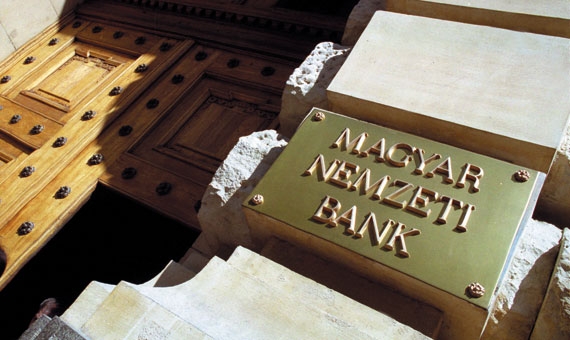
The Monetary Council of Hungary’s central bank (MNB) has decided to lower the base rate by 25 basis points to an all-time low of 5.00% on Tuesday, in line with the market’s call. It was the first rate setting under newly appointed Governor György Matolcsy.

The Hungarian government is planning to impose a new tax, according to a bill on meteorology. The ‘service fee’ would be 0.5% of the annual advertising revenues of any media - irrespective of whether they broadcast weather forecasts/reports or not!

Hungary’s Economics minister György Matolcsy has been nominated by Prime Minister Viktor Orbán as the next Governor of the National Bank of Hungary (NBH). Matolcsy follows András Simor whose six-year mandate expires on March 3.

The state debt in Hungary was of the second highest value ever at the end of January when the debt of the central budget was HUF 21,187.8 billion (currently over EUR 72 billion), which means a huge increase of HUF 467.7 billion over a year.
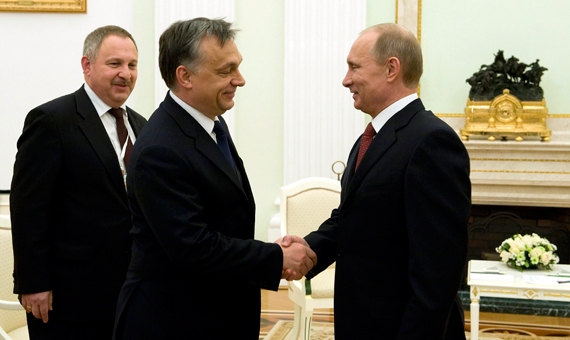
Russian officials have denied the validity of a report by the online version of the Hungarian business weekly HVG that it would buy a huge Hungarian FX bond package at a favorable interest rate to help finance Hungary’s state debt without the IMF.

Hungary needs a "new policy course to deliver the required medium-term fiscal adjustment in a sustainable way to support growth and confidence, repair the financial sector, and promote structural reforms to boost the potential of the Hungarian economy."

Roubini Global Economics insists that it was not its research note that sparked a sell-off of the Hungarian currency but comments by Hungarian economics minister György Matolcsy that the policy of a strong forint between 2002 and 2010 had been a mistake.
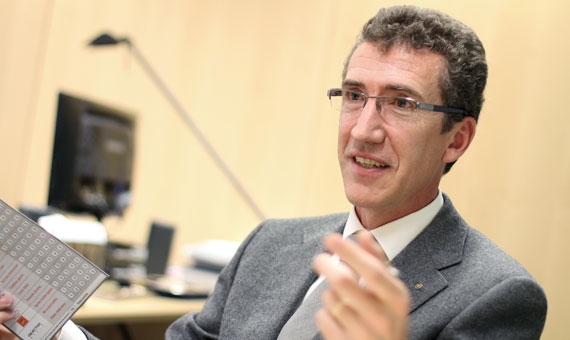
In the lack of comprehensive information about Italian economic presence in Hungary, Italian businessman Alessandro Farina, with excellent connections in the Italian community here, helped create a database lists over 2,300 Italian businesses in this country.
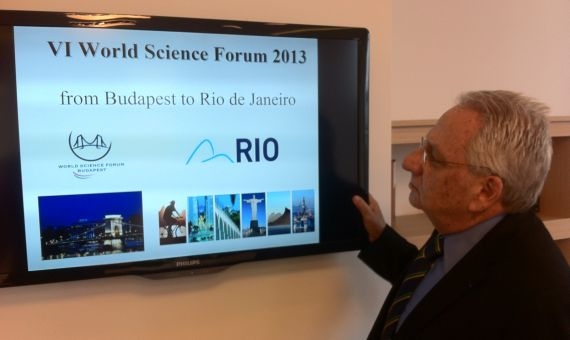
The Director of the Center for International Business (CIN) of the Federation of Industries of Rio de Janeiro (FIRJAN), Mr. Amaury Temporal, visited Budapest, from December 14th to 17th, to promote trade and investments opportunities

The Japan External Trade Organization (JETRO) established its Hungarian office in 1992 with the purpose of further developing economic exchanges with Hungary. Diplomacy & Trade has recently published this article on this organization.

The volume of Hungary’s retail sales declined by 0.4% month on month in September, which marks the continuation of this year’s forlorn trend. The sector suffered the biggest contraction of the past two and a half years in the third quarter.
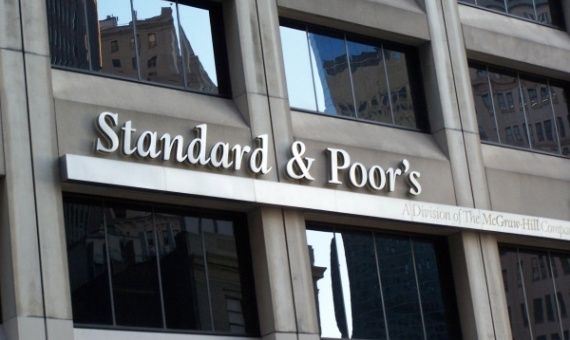
Ratings agency Standard & Poor's (S&P) has downgraded Hungary from BB+ to BB, while keeping stable outlook for the country's debt. The Hungarian currency started to weaken but the Hungary dismissed the downgrading as a “hollow measure”.
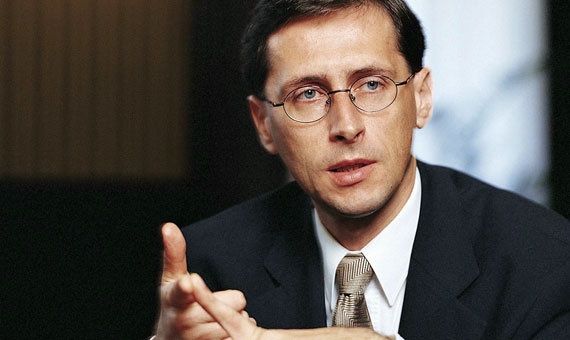
The International Monetary Fund (IMF) and the European Commission will wait for the approval of the 2013 budget and then there could be further development in the current negotiating stage, Hungary’s chief aid negotiator Mihály Varga said this Tuesday.