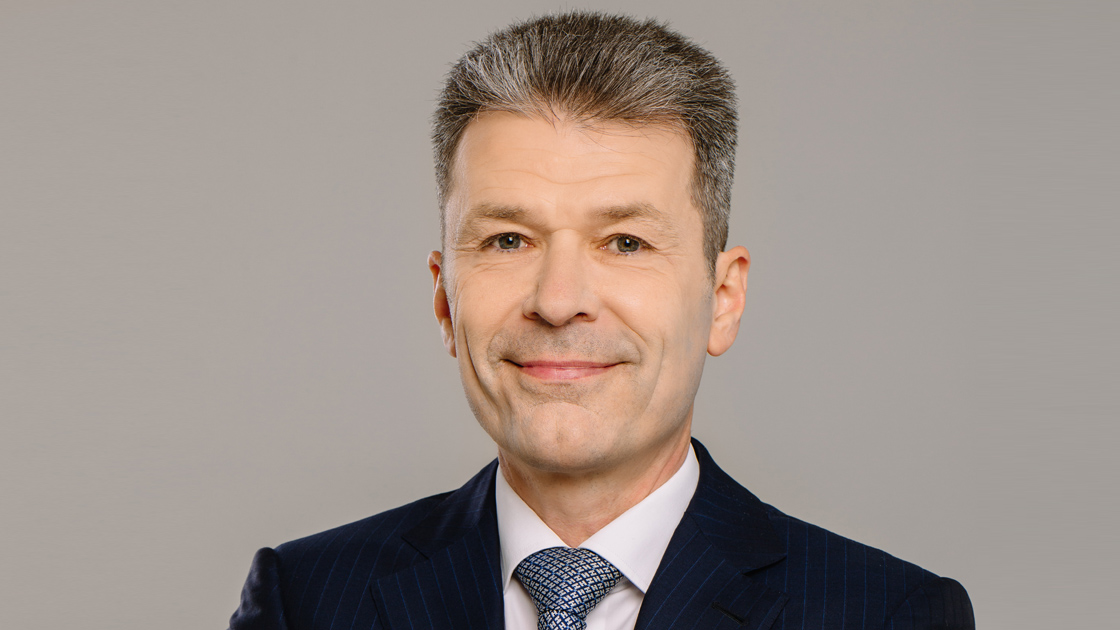

Nestlé has been a key player in the global food industry for over 150 years and has actively shaped economic and social processes in Hungary for more than three decades. In an interview with Diplomacy&Trade, the CEO of Nestlé Hungary, Péter Noszek discusses the importance of the Szerencs solar park, net-zero emission targets, the expansion of the Bük factory, the influence of Swiss values and Nestlé’s corporate responsibility programs, including initiatives focused on children’s nutritional education and youth employment support.
Nestlé has been present in the food industry for over 150 years and in Hungary for more than three decades. One of the most recent developments is the opening of a new solar park at the Nestlé factory in Szerencs, NE Hungary this May, representing a EUR 1.8 million investment.
A strategic response
As to what this means for the factory and the environment, Péter Noszek highlights that “the inauguration of the solar park in Szerencs is a prime example of how our business operations intertwine with our commitment to sustainability. This EUR 1.8 million investment is not just an energy upgrade but also a strategic response to global environmental challenges. The solar park generates 1.5 gigawatt-hours of electricity annually, covering nearly 30% of the Szerencs factory’s energy needs. In addition to enhancing the energy security of our operations, it enables the central grid to supply more green energy to other industrial and residential users.”
Systemic transformation
Continuing on this subject, he notes that Nestlé has recently been in the spotlight with sustainability projects and its net zero action plan and significant investments in recycled packaging. Speaking of the main principles of the company’s environmental policy, the Nestlé Hungary CEO underlines that “our sustainability strategy is anchored in our goal to achieve net-zero greenhouse gas emissions by 2050. In order to achieve this, we plan to reduce our carbon emissions by at least 50% by 2030. This is more than just a corporate objective, it represents a systemic transformation that affects every aspect of our value chain.”
For instance, Nestlé collaborates with agricultural suppliers to replace intensive farming practices with regenerative agricultural methods. These practices improve soil health, increase carbon sequestration and reduce greenhouse gas emissions.
In Hungary, Nestlé’s Purina business finances the LENs program in Western Transdanubia to support farmers with transitioning to regenerative practices.
Péter Noszek adds that “on the manufacturing side, we are committed to using 100% renewable electricity in all our production facilities globally by 2025. Nestlé in Hungary is already leading the way, as we have relied exclusively on renewable electricity since 2017. Another key goal is that 95% of our packaging will be designed for recycling by 2025. Currently, we exceed 86% globally, and in Hungary, the packaging we use in our Diósgyőr and Szerencs plants are all designed for recycling – meaning they are recyclable when the appropriate selective collection, sorting and recycling infrastructure is available.”
A responsible partner in Hungarian society
Companies contribute to improving the quality of life in communities through their corporate social responsibility programs. Péter Noszek stresses that “for Nestlé, corporate social responsibility is not a campaign but a long-term presence and commitment. We believe in Creating Shared Value, which means a company can only be successful if it generates value not just for its shareholders but also for society and the communities where it operates.”
One of the focus areas is education related to healthy nutrition and sustainability. Through the ‘Nestlé for Healthier Kids’ initiative, including the company’s Hungarian ‘Etesd az Eszed’ [Feed your Mind] campaign, schoolchildren are taught about the basics of a healthy lifestyle in a playful and interactive way. This program has been nationwide since 2018.
“Another important initiative is the ‘Nestlé Needs YOUth’ program, where we aim to provide career opportunities for 10 million young people worldwide by 2030. In Hungary, we collaborate with the Hungarian University of Agricultural and Life Sciences and offer dual vocational training and internship programs in our Bük and Szerencs factories.
These activities reflect not only our commitment to corporate social responsibility but also our desire to be a deeply integrated, long-term partner in Hungarian society,” the CEO concludes.


Top 5 Articles
 What Awaits the Hungarian Economy in 2026 and 2027? April 24, 2026
 - Consolidating the Good Bilateral Relations May 10, 2026
- Two Vantage Points, One Direction August 22, 2026
- Business, Consumer Confidence at Two-Year High in April April 23, 2026
- Building Bridges in a Changing World March 26, 2026