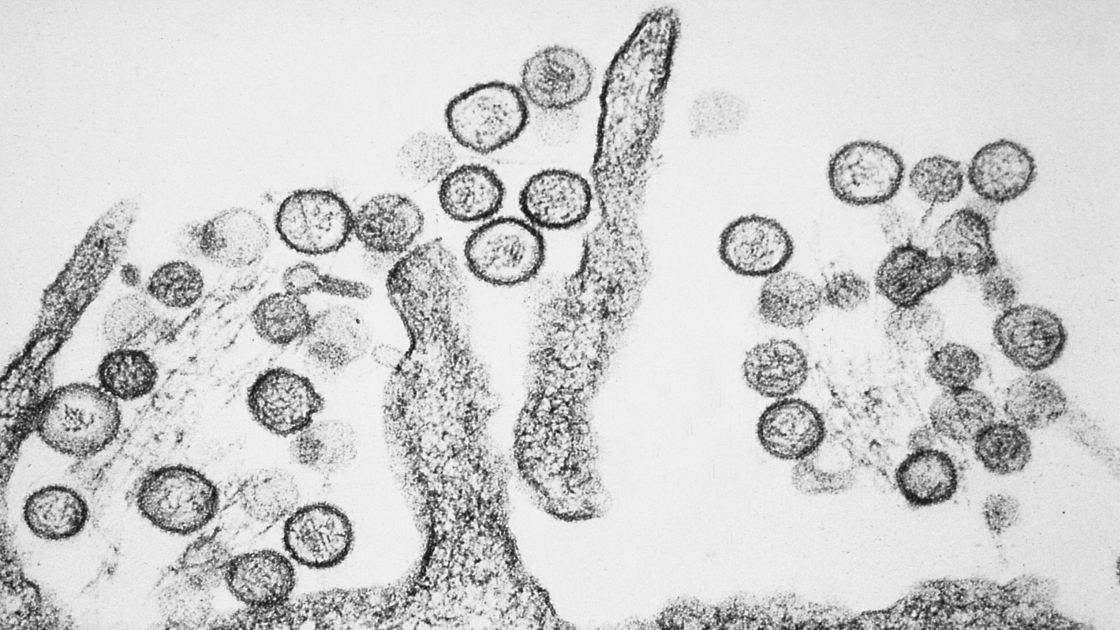

Hantavirus currently poses no immediate epidemiological threat in Hungary, Health Minister Zsolt Hegedűs said late on Sunday.
Commenting on several news reports in recent days regarding a case in Arad County, SW Romania, he said on a social media site that there are no known infected Hungarians, nor is there any known Hungarian who may have come into contact with people affected by the epidemic, "so there is no immediate domestic epidemiological threat."
He added that most hantaviruses do not spread from person to person. Infection usually occurs through inhalation of dust contaminated with the urine, feces, or saliva of infected rodents.
"There is currently no cause for panic in Hungary," he stated, adding that hantavirus infections are rare in Hungary: between 2015 and 2024, 2 to 16 cases were recorded annually.
Hantaviruses found in Hungary typically cause milder or moderate kidney-related illnesses, Zsolt Hegedűs said.
The Andes type of the hantavirus, which is capable of spreading from person to person, typically spreads only through close contact, representing fundamentally different epidemiological dynamics compared to Covid-19. "Based on current scientific knowledge, it is extremely unlikely that this will lead to another pandemic or 'Covid 2.0'," Zsolt Hegedűs said.
He added that currently, there is no widely used, internationally accepted vaccine against the hantavirus, but there is no epidemiological situation that would justify a mass vaccination program, and widespread community transmission is not expected.


Top 5 Articles
 What Awaits the Hungarian Economy in 2026 and 2027? April 24, 2026
 - Consolidating the Good Bilateral Relations May 10, 2026
- Business, Consumer Confidence at Two-Year High in April April 23, 2026
- Long-Standing, Respectful Relations March 25, 2026
- Building Bridges in a Changing World March 26, 2026