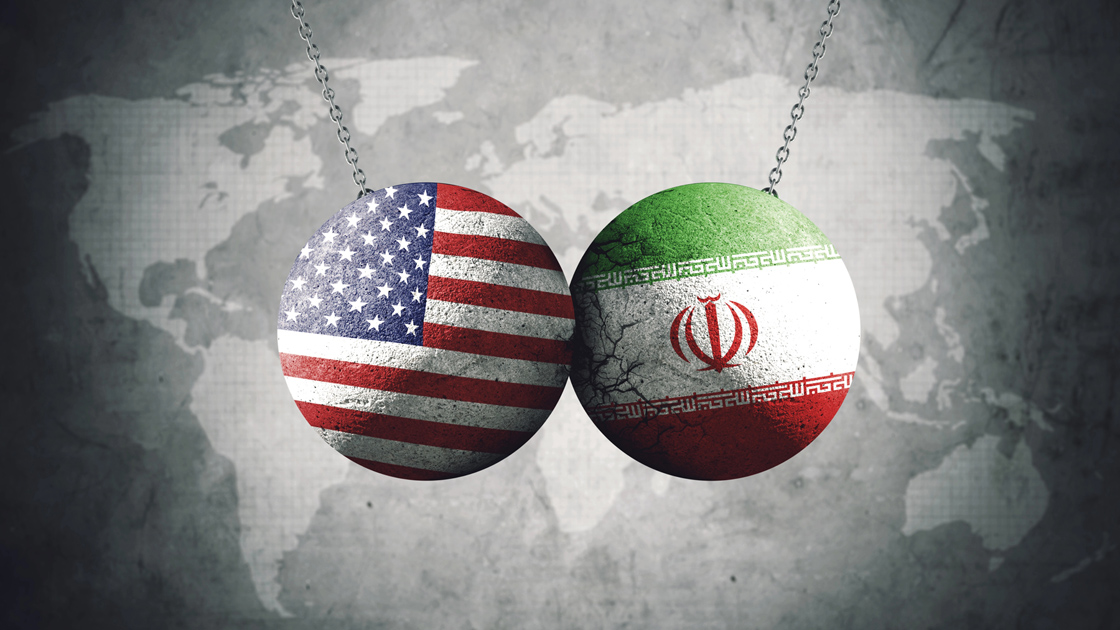

This Wednesday, President Donald Trump of the United States and President Masoud Pezeshkian of Iran signed a memorandum of understanding aimed at ending the military conflict between the two countries. The agreement includes the reopening of the Strait of Hormuz, which could also ease the pressure on the global economy. This development is likely to have a positive impact on the Hungarian economy as well.
Resolving the conflict with Iran could reduce risks related to energy supply and, in the event of a lasting settlement, could push down global energy prices, the Hungarian Ministry of Economic Affairs and Energy stated this week in response to an inquiry from the Index news portal when it was announced that the United States and Iran had reached an agreement on the text of a memorandum of understanding. According to the ministry, the status of strategic reserves is stable; by the end of May, reserves equivalent to 62 days of imports were available, and the government remains committed to its goal of procuring energy resources from as many sources and routes as possible.
It was announced in mid-June that the United States and Iran had reached an agreement to end the conflict that erupted in late February and lasted for more than a hundred days. According to the parties, the agreement includes the reopening of the Strait of Hormuz and the removal of obstacles to maritime transport. Markets reacted to these developments even before the full text of the agreement was made public: the price of Brent crude oil fell by about 4% at the beginning of the week as investors anticipate a reduction in supply risks.
The news portal asked the Ministry of Economic Affairs and Energy what short-term effects the government expects on the Hungarian economy, inflation, energy prices, and strategic energy reserves, and whether Hungary’s energy procurement strategy might change as the situation in the Middle East stabilizes.
In its response, the ministry stated that “the resolution of the Iranian conflict will alleviate security-of-supply risks on a global scale.” It added that a lasting resolution is also expected to moderate energy prices on the world market.
At the same time, the ministry pointed out that further conditions must be met for a significant and sustained price decline. A prerequisite for this is that supply must return to previous levels and stabilize there. In addition to the resumption of shipping traffic through the Strait of Hormuz, the gradual restoration of regional production and other transportation infrastructure damaged during the fighting is also essential.
Based on this response by the Ministry of Economy and Energy, the portal draws the conclusion that the Hungarian government is not forecasting any specific price drops at this time; however, it believes that the resolution of the conflict could move the global energy market in a positive direction, provided that the region’s supply chains and infrastructure are restored.
The ministry also addressed the status of strategic reserves. It noted that during the conflict, the ministry released reserves to maintain security of supply.
The Ministry of Economy and Energy says Hungarian consumers have not yet felt the direct effects of the conflict thanks to price caps on fuels; therefore, the ministry also released strategic reserves to maintain security of supply. According to their statement, restocking is ongoing, and by the end of May, security reserves equivalent to 62 days of imports were available, compared to the low of 44 days recorded in March.
In response to a question from Index portal whether Hungary’s energy procurement strategy might change following the resolution of the situation in the Middle East, the ministry did not indicate any change in direction. As they wrote, “the Hungarian government is working to procure energy resources from as many sources and routes as possible, because this is in the interest of the Hungarian people and businesses.”
Overall, the ministry views the end of the conflict as a positive development; however, it continues to link a sustained decline in energy prices to stability in the region and the restoration of damaged energy and transportation infrastructure.


Top 5 Articles
 What Awaits the Hungarian Economy in 2026 and 2027? April 24, 2026
 - Cherishing Italian Cultural Presence in Hungary September 3, 2026
- Consolidating the Good Bilateral Relations May 10, 2026
- Indotek Group Acquires 100% of Auchan Magyarország June 26, 2026
- Two Vantage Points, One Direction August 22, 2026