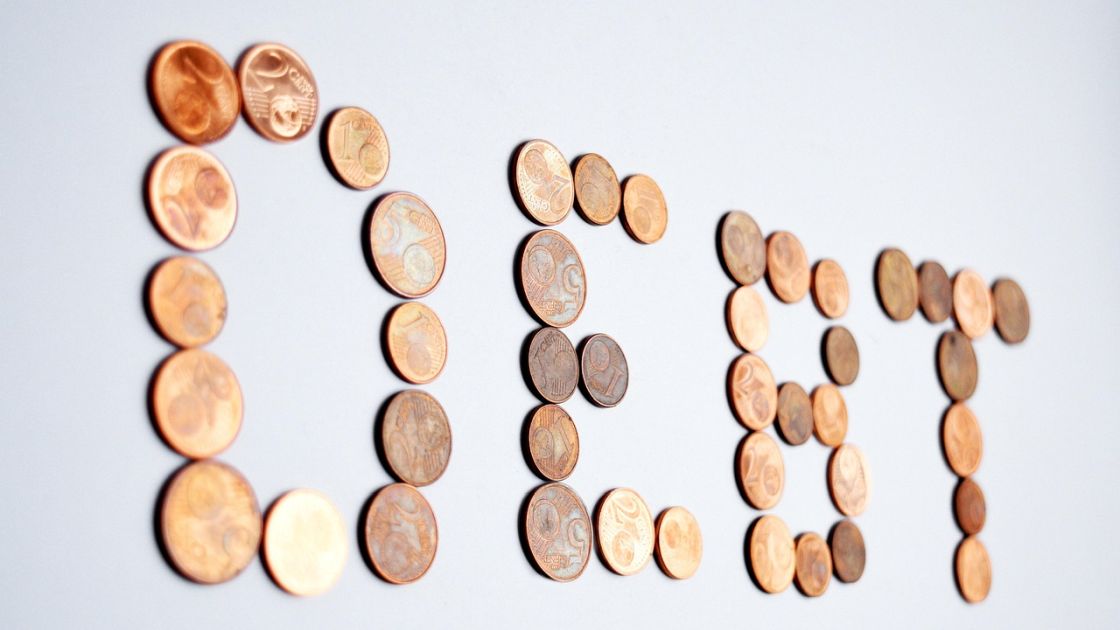

Hungary's state debt relative to GDP reached 75.1% at the end of the second quarter, preliminary data released by the National Bank of Hungary (MNB) show.
The state debt ratio rose from 74.6% at the end of 2025. In absolute terms, Hungary's state debt stood at HUF 67,815 billion at the end of Q2, up from HUF 64,913 billion at the end of 2025.
The data show the general government net financing requirement reached HUF 611 billion in Q2, equivalent to 2.6% of GDP.
Households' net financing capacity reached HUF 1,772 billion during the period, equivalent to 7.6% of GDP. Households' net financial assets reached the equivalent of 117.3% of GDP at the end of Q2.
As an analyst a the financial website portfolio.hu notes, it means that the financial assets of Hungarian households set a new record this year. Thanks to the Orbán government’s pre-election handouts, most of the money flowed into checking accounts in the first quarter and into investment funds in the second quarter, while government securities remained strong throughout the year. However, life insurance policies saw the largest increase relative to their own previous levels: never before has so much fresh capital (nearly HUF 100 billion) flowed into them as in the second quarter of this year.
The impact of the election results is primarily evident in revaluation effects: the strengthening of the forint dragged the figures down (due to foreign-currency savings); without this, the Hungarian savings market could have set records not only in terms of total assets but also in terms of growth.


Top 5 Articles
 What Awaits the Hungarian Economy in 2026 and 2027? April 24, 2026
 - Consolidating the Good Bilateral Relations May 10, 2026
- Cherishing Italian Cultural Presence in Hungary September 3, 2026
- Two Vantage Points, One Direction August 22, 2026
- Business, Consumer Confidence at Two-Year High in April April 23, 2026