
On Saturday, on the 500th anniversary of the Battle of Mohács, a memorial day was held in the town of Mohács, situated on the banks of the Danube, at the nearby national memorial site and in the vicinity of the presumed former battlefield to honor the memory of the heroes of the battle.
The commemorative ceremonies for the battle – which proved pivotal for the Hungarian people and took place on August 29, 1526, between the armies of the Kingdom of Hungary and the Ottoman Empire – began in the morning at the town's main square, Széchenyi Square.
At the state commemoration, Prime Minister Péter Magyar delivered a speech before more than two thousand attendees – including ministers, state secretaries, members of parliament and mayors – emphasizing, among other things, that Hungarian history is not a history of losses, but of resilience. The most important message of Mohács, he said, is that although we lost a decisive battle in 1526, Hungary did not disappear, for “here we are 500 years later on the same land, as citizens of the same country, remembering in the same language” – he emphasized, adding that the strength of a nation is not demonstrated by the fact that it never falls, but by its ability to rise again and endure even after suffering the greatest losses.
As part of the memorial ceremony, an urn containing the scattered small bone fragments excavated from the mass graves was placed at the church in the main square, after which the prime minister and the leaders of the Mohács municipal government – the town's mayor and deputy mayors – laid wreaths at the statue in the main square of King Louis II of Hungary, who lost his life in the Battle of Mohács on this day 500 years ago.
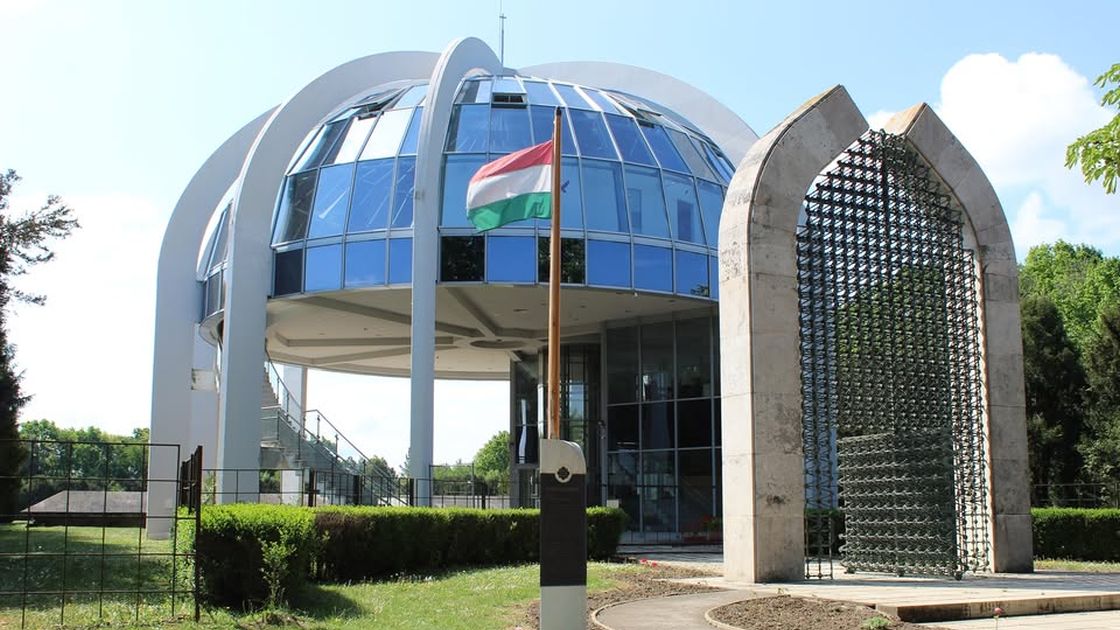
In the afternoon, near the former battlefield at the Mohács National Memorial Site, a private state and military commemoration and tribute ceremony was held, attended by the Prime Minister, several ministers, members of the National Assembly, heads of institutions and dozens of other invited guests, as well as members of the Hungarian Armed Forces and reenactors.


Top 5 Articles
 What Awaits the Hungarian Economy in 2026 and 2027? April 24, 2026
 - Consolidating the Good Bilateral Relations May 10, 2026
- Business, Consumer Confidence at Two-Year High in April April 23, 2026
- Long-Standing, Respectful Relations March 25, 2026
- Building Bridges in a Changing World March 26, 2026