
Sustainable development and sustainable tourism cannot be separated from one another. The future of Hungarian tourism must be based on growth that creates economic value while preserving the natural and non-natural attractions and cultural treasures that form the foundation of tourism, Botond Boros, CEO of Visit Hungary, said at a professional conference in Budapest on Friday.
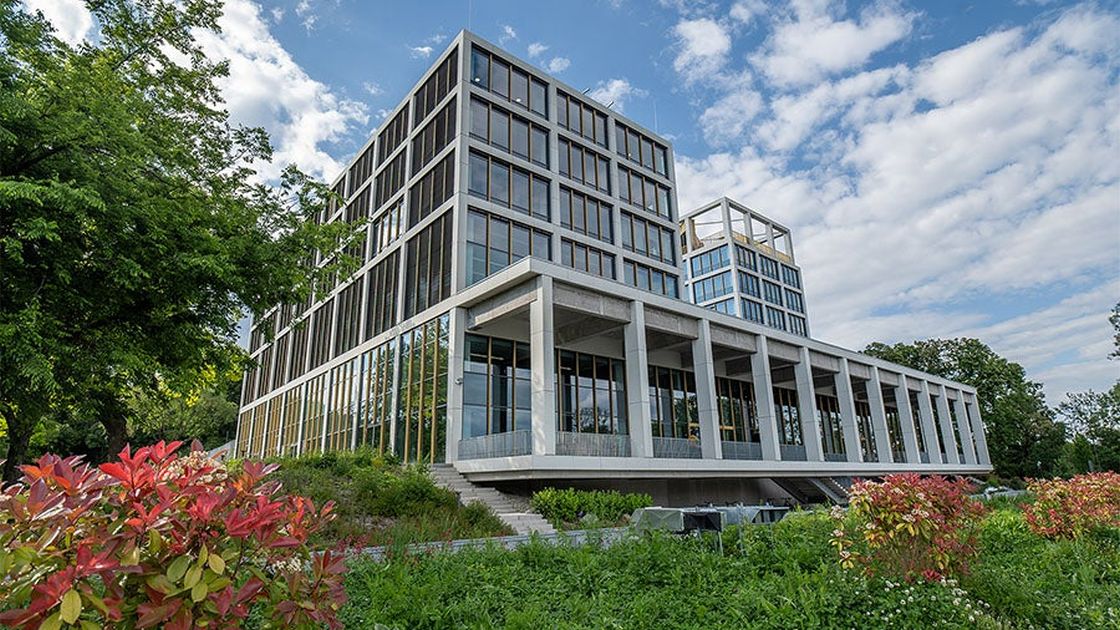
The conference, titled “Sustainable Tourism or Sustainable Growth? ESG Challenges in the Hungarian Hotel and Tourism Sector,” was organized by the Institute for Sustainable Development at Corvinus University of Budapest as part of its ESG Panorama research series at the university's Gellért Campus in the Hungarian capital.
Botond Boros pointed out that the ESG approach (i.e., the system of environmental, social, and governance considerations) and data-driven decision-making are putting the sector on a new footing, and Visit Hungary operates in this manner as well. Sustainability makes it possible not only to interpret environmental, social, and economic impacts through data, but also to measure and evaluate them based on that data, he added.
The CEO explained that sustainable tourism no longer means just “turning the heat down a little or using towels less often,” but rather aligning sustainability with tourism strategy and doing so in a way that is clear and visible to everyone. In her view, the future of sustainable tourism depends on how well these impacts can be measured and how effectively they can be translated into long-term decisions through responsible decision-making. Based on their experience, sustainability can become a competitive advantage only if it is measurable and everyone works together toward it, he highlighted.
“Visit Hungary supports industry stakeholders through knowledge sharing, the exchange of best practices, and professional collaborations, and organizes a nationwide sustainability roadshow,” he explained. He noted that the organization joined the Global Sustainable Tourism Council (GSTC) this year, thereby becoming part of the information network.


Top 5 Articles
 Cherishing Italian Cultural Presence in Hungary September 3, 2026
- Indotek Group Acquires 100% of Auchan Magyarország June 26, 2026
- Two Vantage Points, One Direction August 22, 2026
- Ágnes Forsthoffer, Interim Hungarian President July 20, 2026
- Sziget Must 'Move Forward to Break Free' August 16, 2026