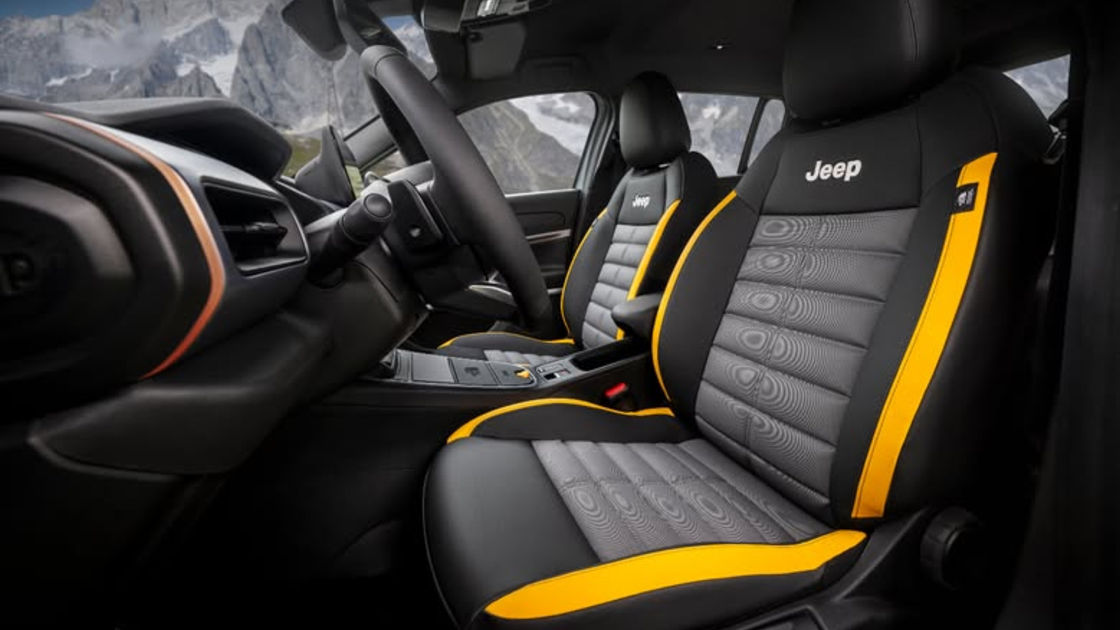

Jeep, a niche brand within the Stellantis Group, sees growth potential in meeting specific quality demands and is poised to expand in the Hungarian new car market in 2025, brand director Tünde Krupp told MTI.
The car brand, with a history spanning more than 80 years, is present only in the SUV (off-road and recreational vehicle) segment of the Hungarian new car market, where it sold 1,011 vehicles last year. This represented a 120% increase compared to the previous year, securing a 0.78% share of the new passenger car market for Jeep. The brand director added that their market share in the SUV segment, which accounts for approximately 60% of the Hungarian market, stands at 1.3%.
More than 100 brands compete in the SUV segment in Hungary.
Tünde Krupp explained that Jeep serves a niche customer base for whom a genuine vehicle with good off-road capabilities represents value. The brand currently offers only two models, but it can attract a new customer segment as the expansion of its powertrain lineup now includes e-hybrid, e-plug-in hybrid and electric versions. Stellantis is committed to electrification, but its long-term strategy is to also meet the demand for vehicles with other powertrains, the brand director noted.
Jeep is launching two new models on the Hungarian market this year, supporting the goal of increasing the brand’s market share to one percent. Tünde Krupp sees an opportunity for sales to grow through public procurement contracts targeting off-road vehicles, and she noted that discussions are already underway. Corporate buyers account for around 50% of Jeep’s sales, while in the SUV segment of the overall market, that figure reaches as high as 75%.


Top 5 Articles
 What Awaits the Hungarian Economy in 2026 and 2027? April 24, 2026
 - Cherishing Italian Cultural Presence in Hungary September 3, 2026
- Consolidating the Good Bilateral Relations May 10, 2026
- Two Vantage Points, One Direction August 22, 2026
- Business, Consumer Confidence at Two-Year High in April April 23, 2026