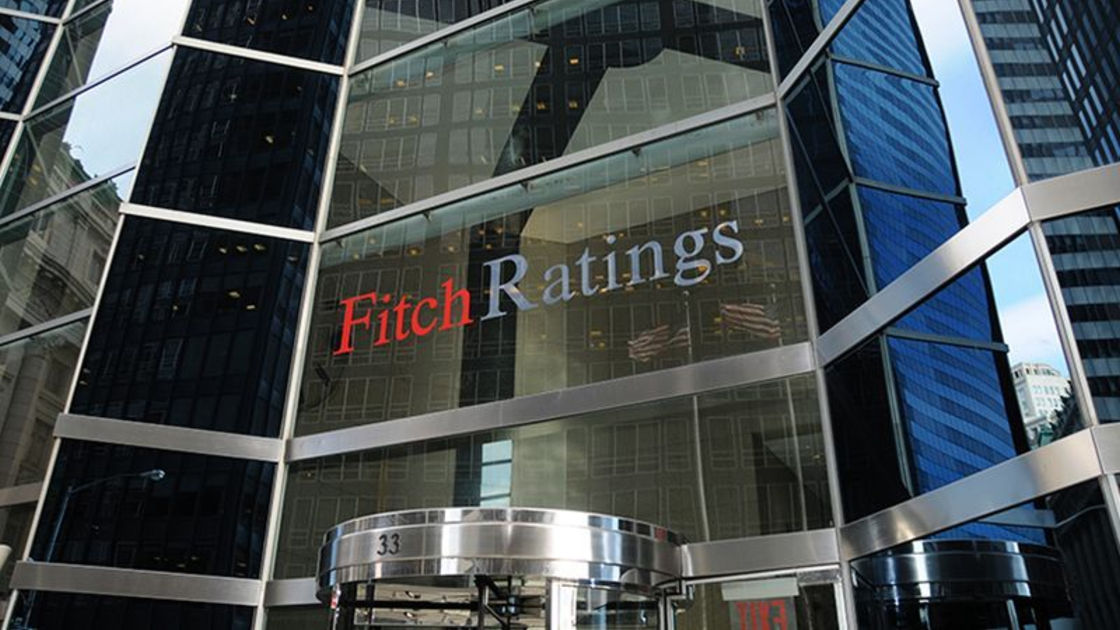

Fitch Ratings affirmed Hungary's 'BBB' long-term issuer default ratings with a negative outlook at a scheduled review, MTI reports.
"Hungary's 'BBB' rating is supported by strong structural indicators, including GDP per capita well above the peer median. These strengths are balanced against high public debt, a record of unorthodox economic policies, vulnerability to energy prices, and a worsening of governance indicators in recent years to closer to the 'BBB' median," Fitch said.
"The negative outlook reflects a greater-than-projected deterioration in public finances ahead of the April elections, low fiscal policy predictability and weak economic growth," it added.
Fitch acknowledged that Hungary's new government aims to reduce fiscal deficits over the medium term and will outline its strategy later in the year, albeit "amid high existing expenditure commitments, particularly on social support, pre-election spending promises and an uncertain global environment".
Pre-election fiscal easing and ad-hoc support, as well as potential repayments of tax revenue related to European Court of Justice rulings, could lift Hungary's general government deficit to 6.4pc of GDP in 2026, well over the forecast for the 'BBB' median of 3.1%, Fitch said. Hungary's primary deficit is set to widen to 2.6% of GDP, it added.
While the new government intends to anchor its medium-term consolidation strategy in its commitment to meet euro adoption criteria by 2030, Fitch assumes "a gradual adjustment", reflecting a weak starting position, pre-election commitments, retention of sectoral taxes and social measures such as the rollout of a 14th-month pension. Fitch puts the 2027 budget deficit at 5.9% of GDP and sees Hungary's state debt level rising to 76.2% of GDP by end-2027.
Fitch expects Hungary's unlocked European Union funding will have a limited impact on GDP in 2026, but sees growth accelerating to 2.5% in 2027, as EU cohesion funds boost investment.
Fitch said a sustained increase in state debt levels over the medium term as well as prolonged weak economic growth could lead to a negative rating action.
Increased confidence in the government's ability to implement institutional reforms or fiscal consolidation measures sufficient to stabilize state debt levels over the medium term could lead to a revision of the outlook on Hungary's sovereign rating to stable, and prospects of sustained debt reduction could lead to an upgrade, the rating agency added.
Fitch also highlighted the potential positive effect on the rating of an improved institutional environment and policymaking that should support a strengthening of medium-term growth.


Top 5 Articles
 Cherishing Italian Cultural Presence in Hungary September 3, 2026
 - Consolidating the Good Bilateral Relations May 10, 2026
- Indotek Group Acquires 100% of Auchan Magyarország June 26, 2026
- Two Vantage Points, One Direction August 22, 2026
- Ágnes Forsthoffer, Interim Hungarian President July 20, 2026