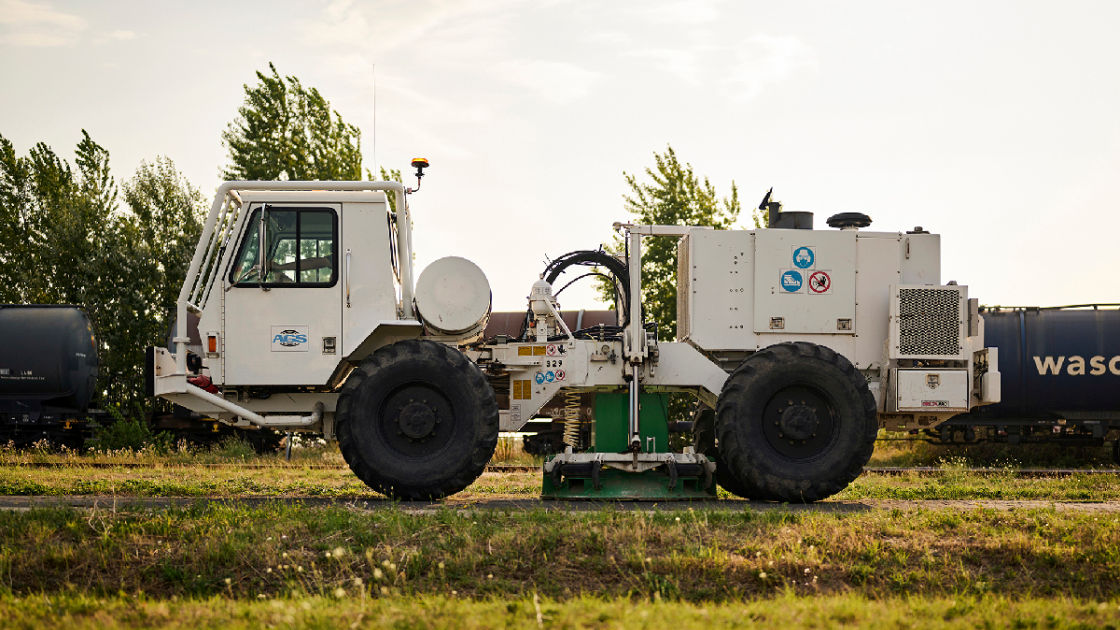

The Hungarian oil and gas company MOL is exploring geothermal energy and has conducted 3D seismic measurements in and around the Danube Refinery in Százhalombatta, south of Budapest to investigate the potential for geothermal energy utilization. They are looking for high-temperature aquifers in the area that could be used to make the refinery's operations more sustainable.
The purpose of the measurements is to investigate whether the environment of the Danube Refinery has geothermal characteristics that could make the refinery's operation more sustainable. If aquifers of sufficient quantity and temperature are identified at the right location and depth, this could contribute to the refinery's energy consumption.
The results of the analyses are expected to be available in about six months. If the results are encouraging, further feasibility studies will be carried out.
"The geothermal research area awarded to MOL includes Százhalombatta and the Danube Refinery. It is therefore obvious that, in addition to mapping the entire area, we will specifically examine the geothermal potential of the refinery's environment," Dávid Kapes, Head of Green Energy Transition at MOL Group's Exploration and Production Division, stated.
"The green transition begins with reducing the harmful emissions from our own operations. At the Danube Refinery, following the construction of the solar park and the handover of the green hydrogen plant, we are now experimenting with the use of geothermal energy. I am particularly pleased that we are able to do this in collaboration with another MOL business unit, Exploration & Production," Krisztián Pulay, Executive Director of Downstream Production and Development at MOL Group, added.
The modern, proven 3D seismic method works in a similar way to medical ultrasound, which shows the internal parts of the body: artificial vibration waves are generated, which are reflected back from various layers deep within the earth. By detecting these waves, a 3-dimensional image of the geological structures beneath the surface can be created, allowing experts to “see” beneath the ground.


Top 5 Articles
 Cherishing Italian Cultural Presence in Hungary September 3, 2026
 - Consolidating the Good Bilateral Relations May 10, 2026
- Indotek Group Acquires 100% of Auchan Magyarország June 26, 2026
- Two Vantage Points, One Direction August 22, 2026
- Ágnes Forsthoffer, Interim Hungarian President July 20, 2026