
Turkish cuisine, shaped over millennia by culture, tradition, migration, social heritage and storytelling, continues to share its unique journey with the world. Celebrated annually between May 21 and 27, Turkish Cuisine Week has become an important international platform for presenting Türkiye’s rich culinary identity both at home and abroad.
Held under the auspices of Emine Erdoğan, First Lady of the Republic of Türkiye, Turkish Cuisine Week returned in 2026 for its fifth edition with the theme “The Heritage Table” – Bir Sofrada Miras. The theme highlights the stories, memories, customs and traditions embedded in a shared culinary heritage, reminding guests that the value of a dish lies not only in its flavor, but also in the history and human connection it carries.
Living cultural heritage
This year’s program presented Turkish cuisine not merely as a collection of recipes, but as a living cultural heritage developed over centuries through migration, rituals, collective effort and the traditions of the table. Its central message – “The table is the oldest language of togetherness” – reflects the idea that food connects people across time, generations and cultures.
The 2026 concept unfolds through three key ideas: Dialogue, with the table serving as a meeting point for different eras and cultures; Transformation, referring to culinary memory passed from one generation and recipe to the next; and Archive, presenting the kitchen as one of the most reliable keepers of unwritten history.
Shared dinner tables
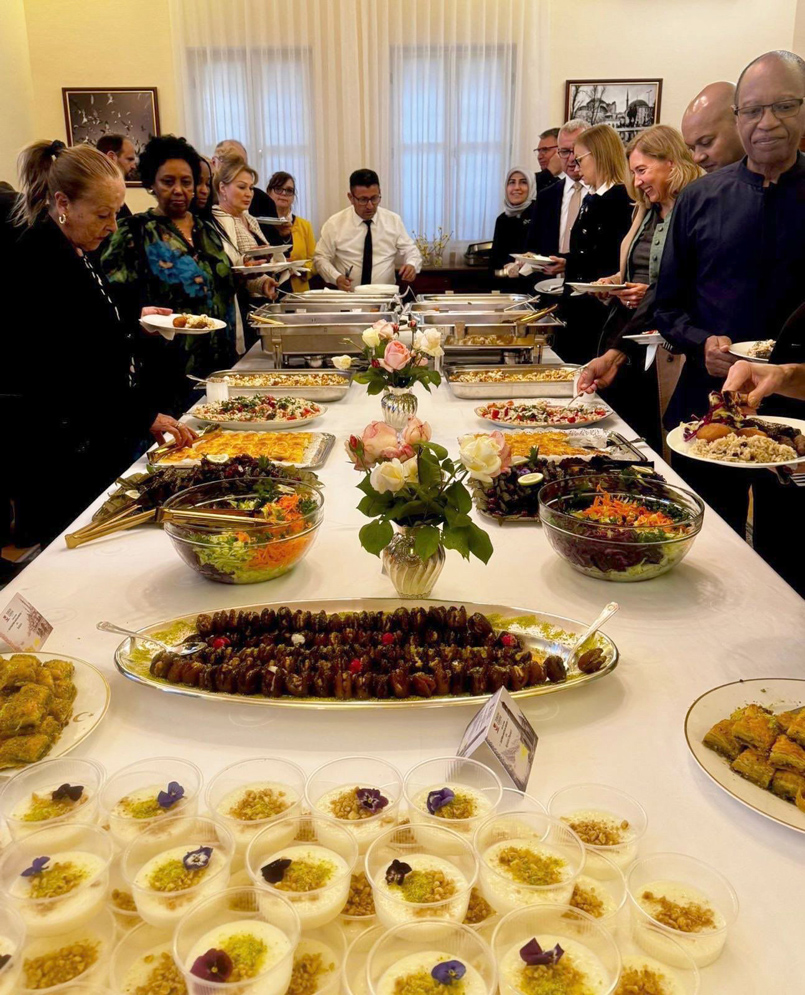
As part of the celebrations, Turkish diplomatic missions and cultural institutions around the world hosted events ranging from shared table dinners and chef collaborations to traditional technique demonstrations and guided tastings. Activities will include workshops on methods such as yufka rolling, slow-cooking techniques used in dishes such as keşkek and tandır, as well as open-fire grilling. A special Ark of Flavors / Lezzet Arşivi concept will also present historical recipes, ingredients and techniques as part of a living culinary archive.
The featured dishes of this year’s Turkish Cuisine Week reflect both cultural richness and culinary excellence. Keşkek, part of Türkiye’s UNESCO-listed Ceremonial Keşkek Tradition, symbolizes shared celebration and collective effort. Baklava represents craftsmanship and the transmission of tradition, while mantı, Turkish dumplings, evokes themes of migration and travel. Dolma showcases diversity within a shared culinary language, and helva carries meanings of solidarity, remembrance and community.
Bidding farewell to the Ambassador
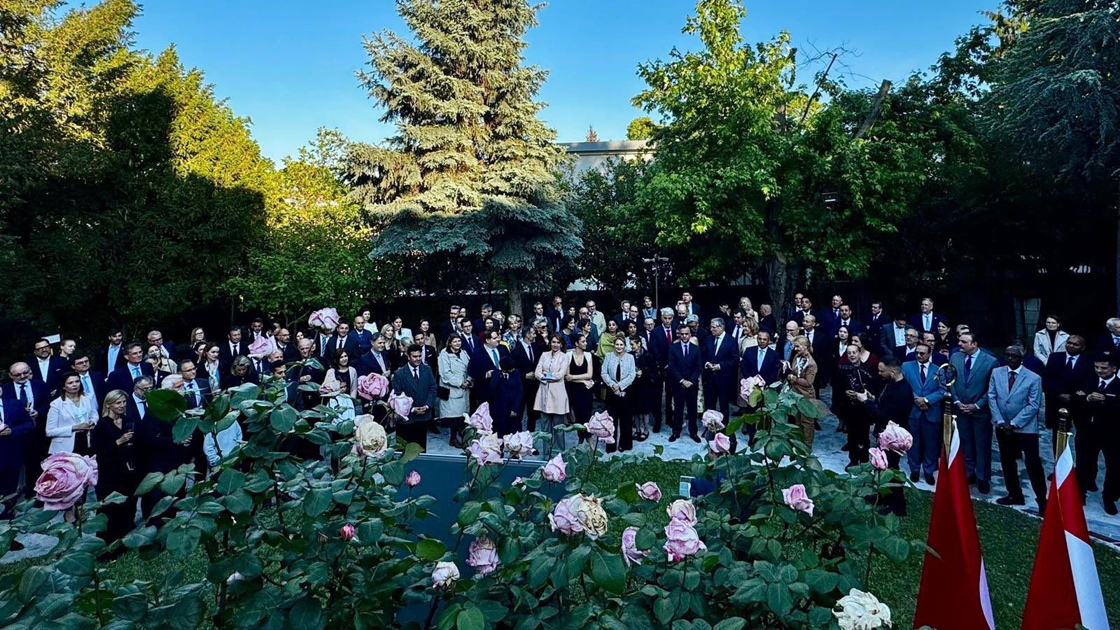
In Budapest, the Turkish Cuisine Week celebration was marked by a special dinner that coincided with the conclusion of the mandate of C. Gülşen Karanis Ekşioğlu, Ambassador of the Republic of Türkiye to Hungary. While the event formed part of the international program presenting Türkiye’s culinary heritage, the evening also provided an opportunity for guests to bid farewell to the Ambassador and acknowledge her work in strengthening Turkish-Hungarian relations during her tenure. In this sense, the dinner reflected the very essence of this year’s theme: a table where heritage, diplomacy, friendship and memory came together.
Timeless recipes
A key reference point for the international promotion of Turkish gastronomy remains the book Turkish Cuisine with Timeless Recipes (Asırlık Tariflerle Türk Mutfağı), published under the leadership of First Lady Emine Erdoğan and under the auspices of the Presidency, in cooperation with the Türkiye Tourism Promotion and Development Agency and with the support of the Ministry of Culture and Tourism. Featuring contributions from prominent chefs, academics and experts, the book draws attention to the sustainable, ecological and waste-free character of Turkish cuisine.
Published in Turkish and English, the volume presents 218 recipes, including regional, local, fermented, gluten-free and zero-waste dishes. Beyond recipes, it also records traditional methods of cooking, preserving and storing food, ensuring that centuries-old culinary knowledge remains accessible to future generations.
The Heritage Table
Turkish cuisine reflects not only what is eaten, but also the values, beliefs and experiences of the people who prepare and share it. Each dish carries history, culture and identity. Dining tables in Türkiye have long symbolized hospitality, generosity and solidarity, bringing people together during celebrations, weddings, festivals and even moments of mourning.
At a time when modern life often encourages isolation and fast consumption, Turkish cuisine offers an alternative rooted in balance, health and community. Its traditions emphasize harmony between body, soul and life, while its no-waste practices and seasonal approach correspond closely with today’s global gastronomic trends.
Turkish Cuisine Week 2026 therefore served not only as a celebration of taste, but also as an invitation to rediscover the wisdom of the shared table. Through “The Heritage Table,” Türkiye once again presents its cuisine as a bridge between past and present, local memory and global dialogue, tradition and contemporary diplomacy.

Top 5 Articles
 What Awaits the Hungarian Economy in 2026 and 2027? April 24, 2026
 - 'Recharge' Campaign Launched to Boost Domestic Tourism January 21, 2026
- Hungary’s Growth Stalls as Inflation Returns to Target Range February 6, 2026
- Consolidating the Good Bilateral Relations May 10, 2026
- Business, Consumer Confidence at Two-Year High in April April 23, 2026