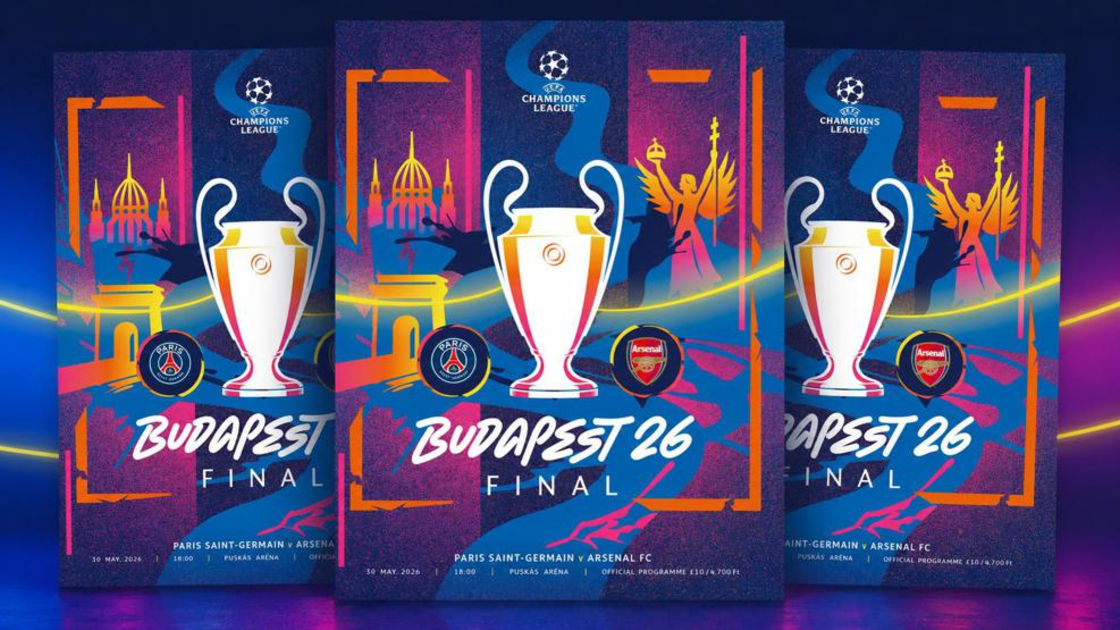

The football European Champions League Final, held in Hungary for the first time, stands out even among this year’s other major events (e.g. the Hungarian Formula 1 Grand Prix, the World Athletics Finals) as an exceptional sporting occasion with significant economic impact, the Budapest-based economic research institute GKI says. According to the institute's estimates, the direct economic impact of a Budapest final over some ten days could be in the order of EUR 90–140 million (HUF 32–50 billion).
GKI highlights that based on international benchmarks, the local economic impact of previous finals has been substantial, though estimates vary widely depending on methodology: direct visitor spending at the 2024 London final was estimated at EUR 63 million, while the broader economic effects of the 2019 Madrid match were put at twice that figure, at EUR 123 million.
According to GKI’s estimates, the direct economic impact of a Budapest final over the full event window of approximately 10 days could be in the order of EUR 90–140 million (HUF 32–50 billion). The bulk of the additional consumption would be generated by an inflow of 50,000–70,000 foreign supporters, with an average card spend of EUR 700–1,000 per person and an average stay of three nights.
Foreign supporter inflow could be between 50,000 and 70,000 people with each person spending EUR 700–1,000 on average.
The primary driver of the direct impact is the spending of visiting supporters. Expenditure falls across the classic tourism channels:
· accommodation: the two-day peak load typically drives up Budapest hotel prices during the final weekend, by as much as two to three times in the premium segment
· food and beverage: consumption at restaurants, cafes, and inner-city entertainment venues rises significantly
· transport and transfer: demand for airport and urban mobility, taxis, and public transport increases
· retail and experience: merchandising, tourist services, cultural venues.
In addition, the sports event brings longer-term reputational and investment-stimulating returns. According to UEFA’s official data, the global cumulative reach of the final is 380–450 million viewers, with an average live audience of 145–150 million. The event could reposition Budapest among Europe’s premium tourist destinations, which may modestly support accommodation capacity utilisation in the tourism seasons over the 12–18 months following the final.
At the same time, GKI researchers say that the net impact may be more modest. They find it important to note that the calculated values are range estimates reflecting scenario sensitivity. Furthermore, this is a gross impact, part of which is of a displacement nature: some regular tourist traffic may be absent or rescheduled during the final weekend. The direct hosting costs, typically borne by the central government or the capital’s municipality (security, transport, infrastructure), also reduce the net balance. Finally, realising the reputational return requires active, coordinated city marketing.


Top 5 Articles
 What Awaits the Hungarian Economy in 2026 and 2027? April 24, 2026
 - Cherishing Italian Cultural Presence in Hungary September 3, 2026
- Consolidating the Good Bilateral Relations May 10, 2026
- Two Vantage Points, One Direction August 22, 2026
- Business, Consumer Confidence at Two-Year High in April April 23, 2026