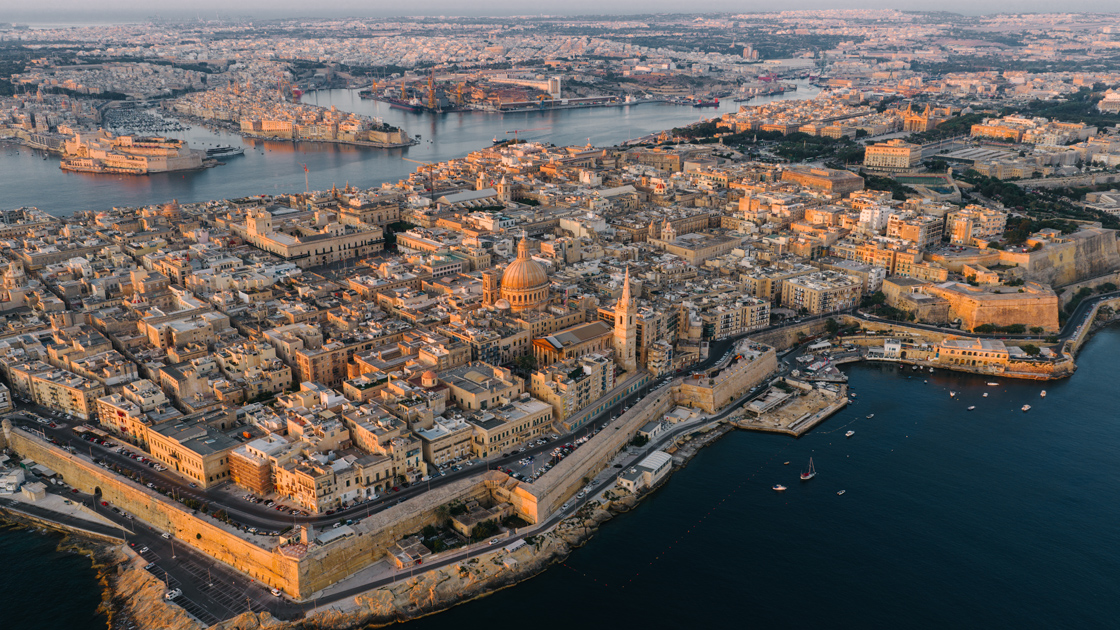

With its rich cultural heritage, Mediterranean climate and diverse tourism offering – from historic cities and vibrant cultural life to gastronomy and world-class diving –, Malta continues to reinforce its position as an ideal year-round destination. The latest results presented by the Malta Tourism Authority highlight not only strong growth, but also a clear strategic shift toward sustainable, experience-driven tourism.
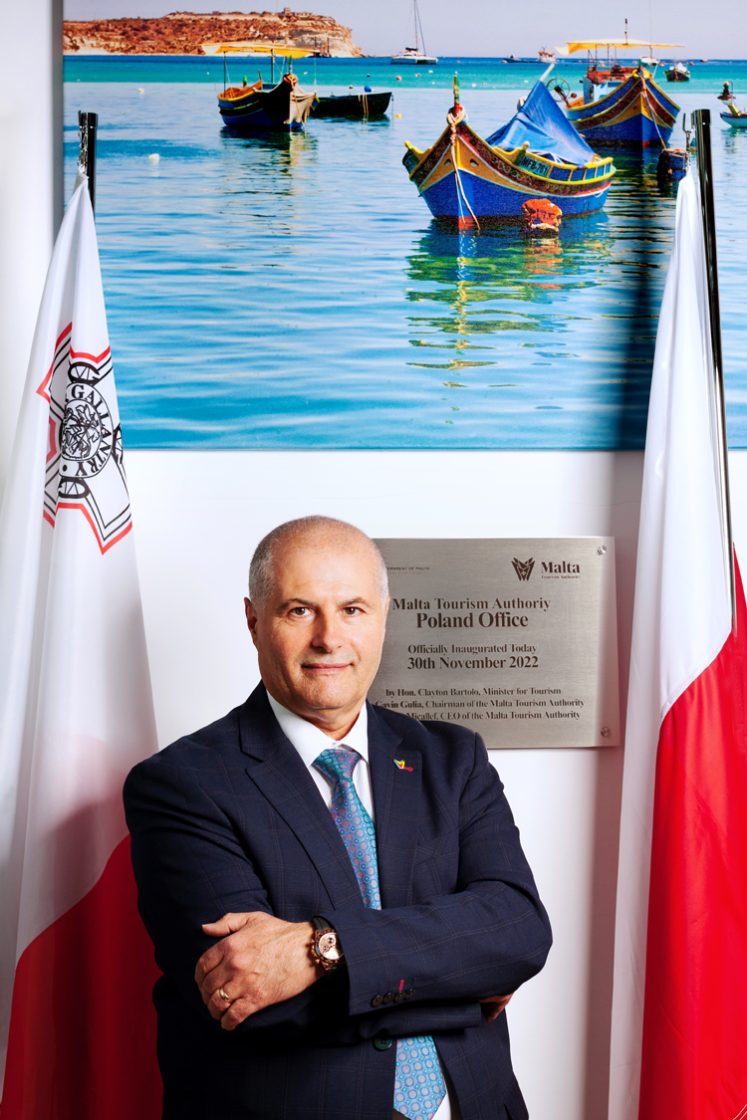
“2025 was an exceptionally strong year for Malta, once again surpassing expectations. Tourist arrivals surpassed 4 million – representing a 12.9% increase compared to the results achieved in 2024 – while the number of guest nights reached 25.4 million and total tourism expenditure amounted to EUR 3.9 billion," the Malta Tourism Authority Regional Director of Poland, Eastern Europe and the Baltics, John Mary Attard highlights. “Equally important is the continued improvement in seasonality. While summer remains the most popular period, Malta is increasingly attracting visitors in spring, fall and even winter, confirming its transition into a true year-round destination,” he adds.
Higher-value tourism
The evolving travel patterns further underline this transformation. “We are clearly seeing a shift toward higher-value tourism, with steadily increasing average visitor spending and a growing demand for authentic experiences,” the Regional Director explains. “At the same time, shorter and more frequent trips, such as long weekends, are becoming more common, while off-season travel continues to gain popularity,” he notes.
More Hungarians visit Malta
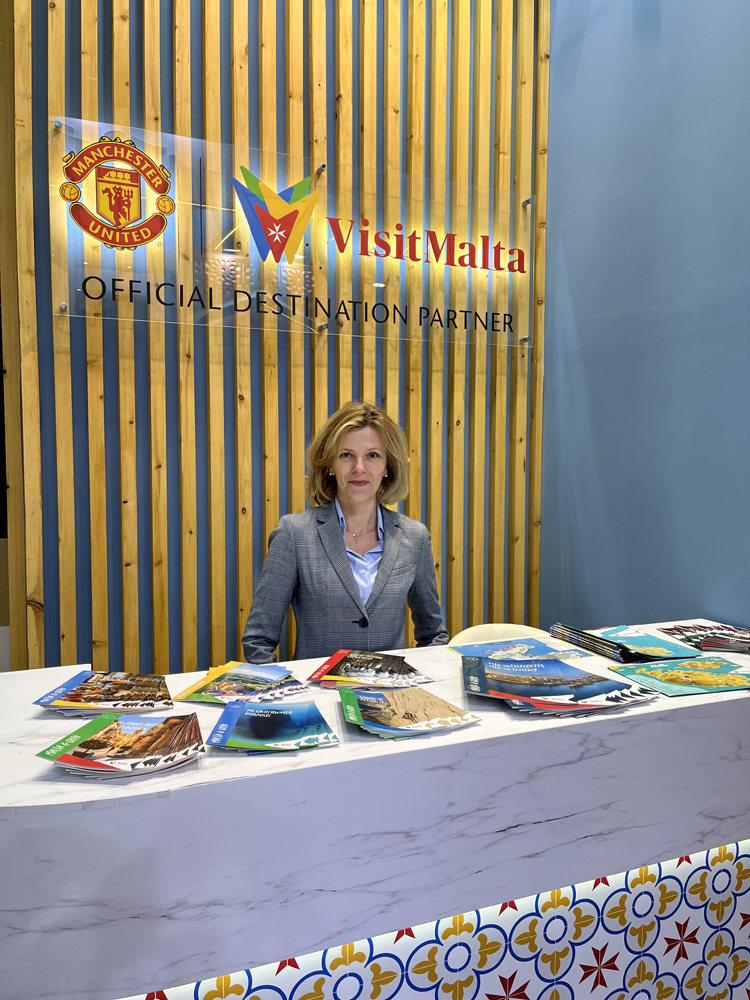
The Hungarian market remains one of the success stories within this growth. “Hungary continues to show dynamic development, with visitor numbers to Malta rising significantly again in 2025, approaching 80,000 arrivals,” the Representative of the Malta Tourism Authority in Hungary, Edina Hangya points out. “Although the average length of stay has slightly decreased, this reflects the increasing popularity of short breaks. It is also encouraging to see more Hungarian travelers choosing Malta in spring and autumn, with winter travel also on the rise,” she says.
Ensuring more sustainable growth
At the same time, Malta is addressing the challenges that come with success. “The key priority now is to ensure that growth remains sustainable,” John Mary Attard emphasizes, adding that the focus is no longer on increasing volume at any cost, but on maintaining quality while protecting the environment and preserving the quality of life for local communities. This requires a more strategic and focused approach to tourism development.
This vision is reflected in Malta’s long-term tourism strategy. He stresses that the priorities include strengthening Malta as a year-round destination, creating higher-value, experience-based tourism products, and ensuring a sustainable and high-quality accommodation offering. “At the same time, we are placing strong emphasis on community involvement, smarter air connectivity, environmental responsibility, and the growing role of digitalization and artificial intelligence in tourism,” he adds.
Airport expansion
Infrastructure development also plays a key role in supporting these ambitions. In this regard, the Regional Director highlights a major milestone, the ongoing expansion of Malta International Airport, which is part of a EUR 345 million investment program and will be completed by 2028. “The project includes a new, 6,000-square-meter terminal, expanded check-in and baggage handling capacity as well upgraded passenger facilities. Importantly, the objective is not simply to increase passenger numbers, but to significantly enhance the overall travel experience and service quality, particularly during peak periods,” he explains.
Thematic tourism
Malta is also continuing to expand and diversify its tourism portfolio. Edina Hangya underlines that “we are increasingly focusing on niche segments and thematic experiences. New areas such as military tourism and dark tourism complement well-established segments like destination weddings, film tourism and faith tourism. These initiatives allow us to build on Malta’s unique heritage while responding to the demand for more immersive and meaningful travel experiences.”
Promotion in digital platforms
The Malta Tourism Authority plays a central role in driving these developments. “Through the VisitMalta brand, we promote the destination across a wide range of international markets, using a targeted and segmented marketing approach,” John Mary Attard notes. “In parallel, we have significantly enhanced our digital platforms to make them more user-friendly, informative, and inspiring for travelers as well as industry professionals,” he explains.
These platforms include visitmalta.com, the main consumer website offering practical information, news, event calendars and travel inspiration; vmim.visitmalta.com, a dedicated platform supporting the MICE segment (Meetings, Incentives, Conferences and Events) with professional content, ideas and industry insights; and mta.com.mt, the official corporate website of the Malta Tourism Authority, providing primarily industry-focused information and resources.
A destination with unique character
Looking ahead, Malta’s direction is clear. “Our vision is to build a more resilient, sustainable and experience-focused tourism model,” the Regional Director concludes. By focusing on quality, innovation, and strategic growth, the Malta Tourism Authority aims to ensure that Malta remains a competitive and attractive destination while preserving its unique character.


Top 5 Articles
 What Awaits the Hungarian Economy in 2026 and 2027? April 24, 2026
 - Cherishing Italian Cultural Presence in Hungary September 3, 2026
- Consolidating the Good Bilateral Relations May 10, 2026
- Two Vantage Points, One Direction August 22, 2026
- Business, Consumer Confidence at Two-Year High in April April 23, 2026